Fading is the damage nobody notices until they move a rug. Then there's a rectangle of original color on the floor and a much lighter version everywhere else. It happened over years, it's permanent, and it was preventable for a fraction of what the floor cost.
Three things cause fading, not one
Ultraviolet light gets the blame, and it does about 40% of the damage. But visible light contributes roughly another 25%, heat adds about 25%, and the rest comes from humidity and the intrinsic stability of the dye or finish itself. That breakdown matters, because it explains why UV blocking alone doesn't stop fading completely.
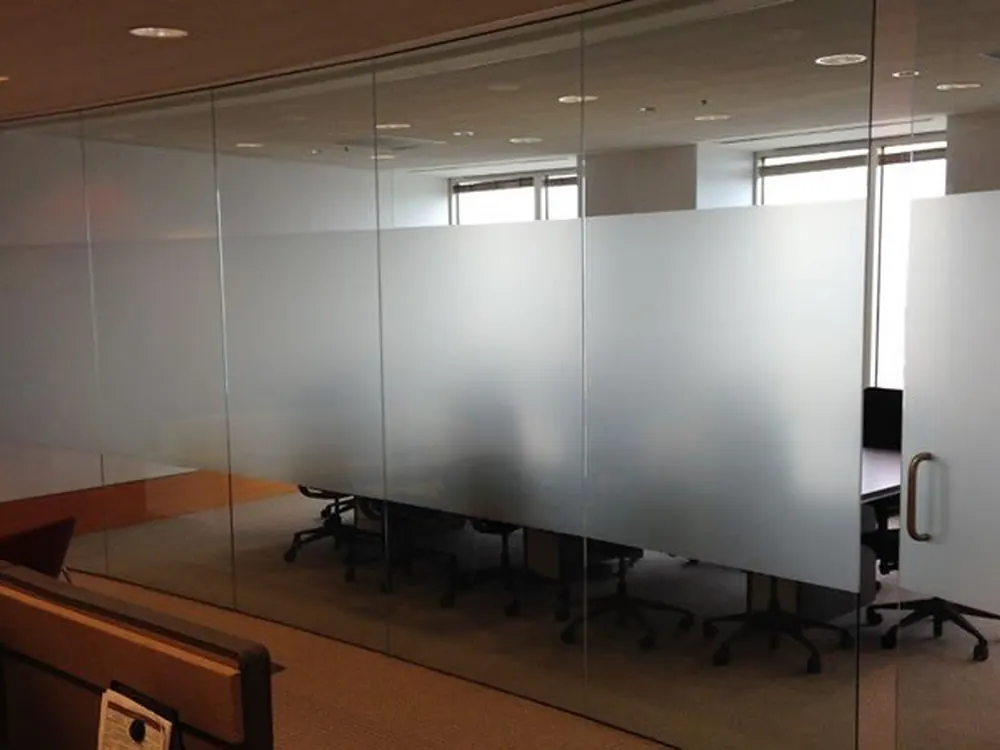
It also explains why the claim you'll see everywhere — "blocks 99% of UV" — is true and incomplete. Nearly every quality film does block 99% of UV, including clear security film. That eliminates the largest single cause. To get at the rest, you need a film that also cuts visible light transmission and infrared heat.
What's most at risk
Not everything fades at the same rate. In order of vulnerability:
- Works on paper, photographs, and textiles — watercolors and silk can show visible change in a single season of direct sun.
- Natural hardwood floors, especially cherry, walnut, and anything with an oil finish.
- Upholstery, rugs, and drapery, where reds and blues go first.
- Wood furniture finishes, which yellow and chalk before the wood beneath changes.
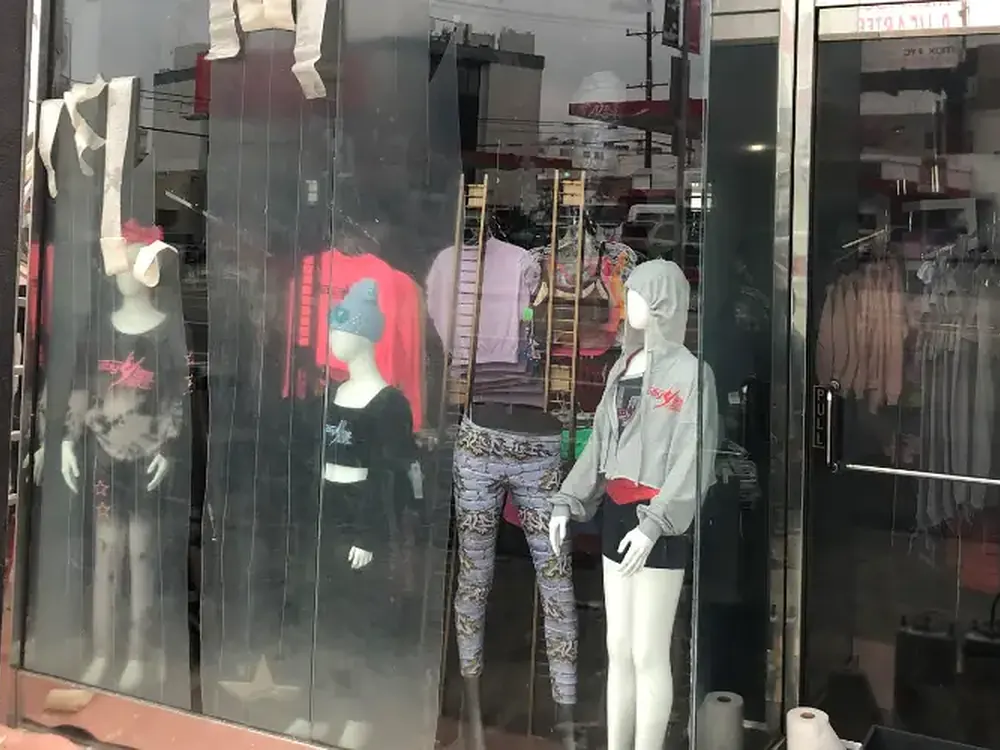
- Retail merchandise in window displays — packaging fades faster than most people expect.
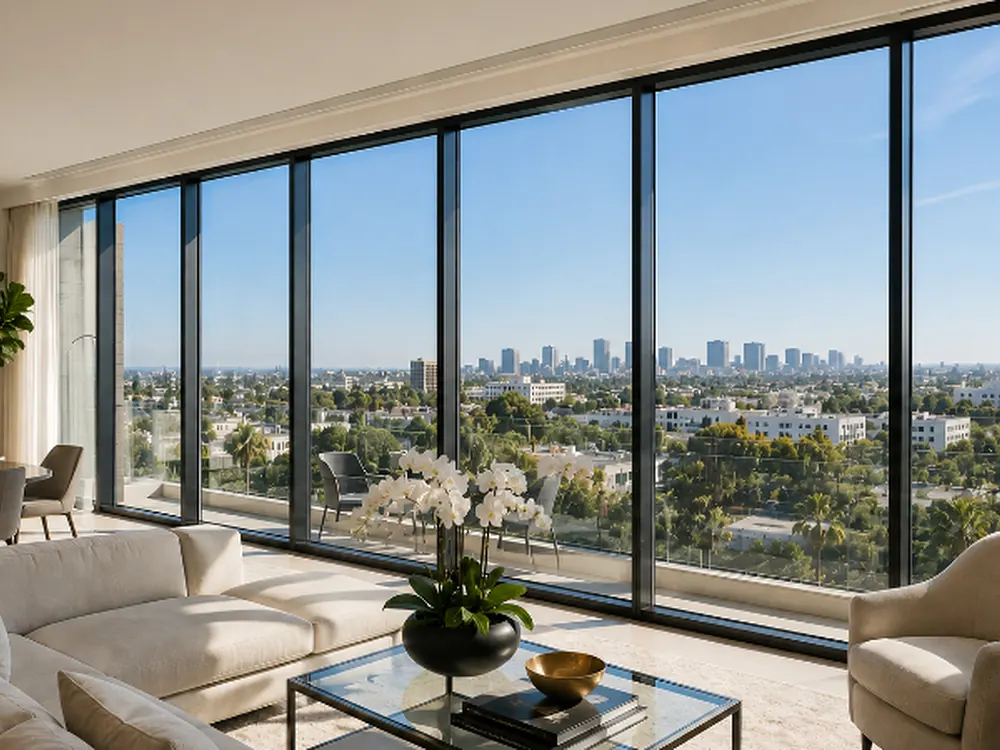
For homes with real artwork, this stops being a comfort question and becomes a conservation one. Museums run their galleries at strict lux and UV limits for exactly this reason, and a living room with a south-facing wall of glass is running far outside those limits every single day.
How much film actually helps
A quality film blocks 99% of UV and, depending on the product, a meaningful share of visible light and heat. In practice that typically slows fading by a factor of two to five compared to untreated glass. A floor that would have visibly changed in four years might take fifteen.
It is not zero. No film makes a room archival. But going from 'noticeably faded in a few years' to 'still looks right in a decade and a half' is the difference between replacing a floor once and replacing it three times.
Skylights are the worst offender
Overhead glazing takes the sun at the most direct possible angle and concentrates it on whatever sits below. In galleries and retail spaces we regularly see a hard-edged fade stripe tracking across the floor exactly where the skylight puts it.
That's why skylight tinting tends to deliver the most visible before-and-after of anything we install. The heat drops, the glare drops, and the fade line stops advancing. On commercial atria we'll often pair it with solar control film on the vertical glazing so the whole space is treated consistently.
Worth doing before, not after
Fading is cumulative and irreversible. Film applied today protects what's left; it doesn't restore what's gone. If you're about to refinish floors, hang art, or move into a new place, that's the cheapest possible moment to treat the glass.
If you want to know what your exposures are actually doing, ask for a free assessment. We'll tell you which windows matter and which ones you can leave alone.