Every building owner eventually gets the same quote: replace the single-pane or clear glazing with high-performance units and watch the cooling bill drop. The performance is real. So is the six- or seven-figure number at the bottom. Solar control film gets a large share of the same benefit for a small share of the cost, and that's the entire argument.
Where the cooling load actually comes from
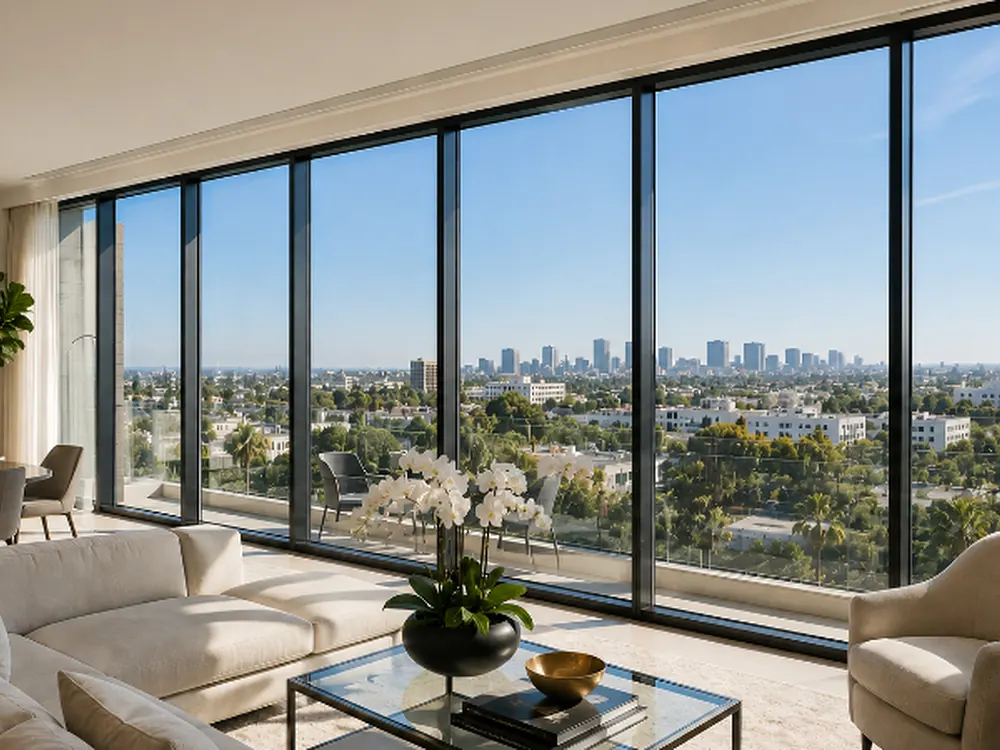
In a glass-heavy commercial building in Southern California, solar heat gain through windows is one of the largest single contributors to cooling demand. Sun hits the glass, the energy comes through, and the HVAC system spends the afternoon removing heat that entered for free.
The measure for this is the solar heat gain coefficient — the fraction of solar energy that gets through the glass. Clear single-pane glass sits around 0.8, meaning roughly 80% comes straight in. A well-specified solar control film can pull that figure down dramatically without touching the glazing itself.
Why the economics work here specifically
Los Angeles is close to an ideal case. The cooling season is long, commercial electricity rates are high, buildings here are built with a lot of glass, and there's very little heating load to lose in winter — which is the tradeoff that weakens the case for solar film in colder climates.
Add that film installs from the interior, overnight, with no scaffolding, no permits, and no tenant relocation, and the disruption cost is close to zero. That combination is why payback periods on Westside commercial projects commonly land inside a few years.

Getting a number you can trust
Be skeptical of any installer who quotes you a savings percentage before looking at the building. A credible proposal shows its work:
- Glazing area by elevation, with orientation and existing glass makeup logged.
- Published SHGC, visible light transmission, and IR rejection figures for the specific film proposed.
- A before-and-after solar heat gain comparison for your actual glazing.
- Thermal stress analysis confirming the film is safe on the units you have.
That last one is not optional. Dual-pane and factory-tinted glass can crack from the added heat load if the wrong film goes on, and the glazing warranty goes with it. It's the most expensive mistake in this trade.
Title 24 and rebates
California's Title 24 energy standards apply when you're altering a building envelope, and window film can contribute toward compliance on retrofit projects. Utility efficiency programs in the region have also, at various points, offered incentives for solar control film — worth checking with your provider, because the programs change and the paperwork is straightforward when it applies.
We provide the performance documentation for both. It's the same data package we'd hand an energy consultant, and it's included whether or not you end up filing anything.
It's not only about the bill
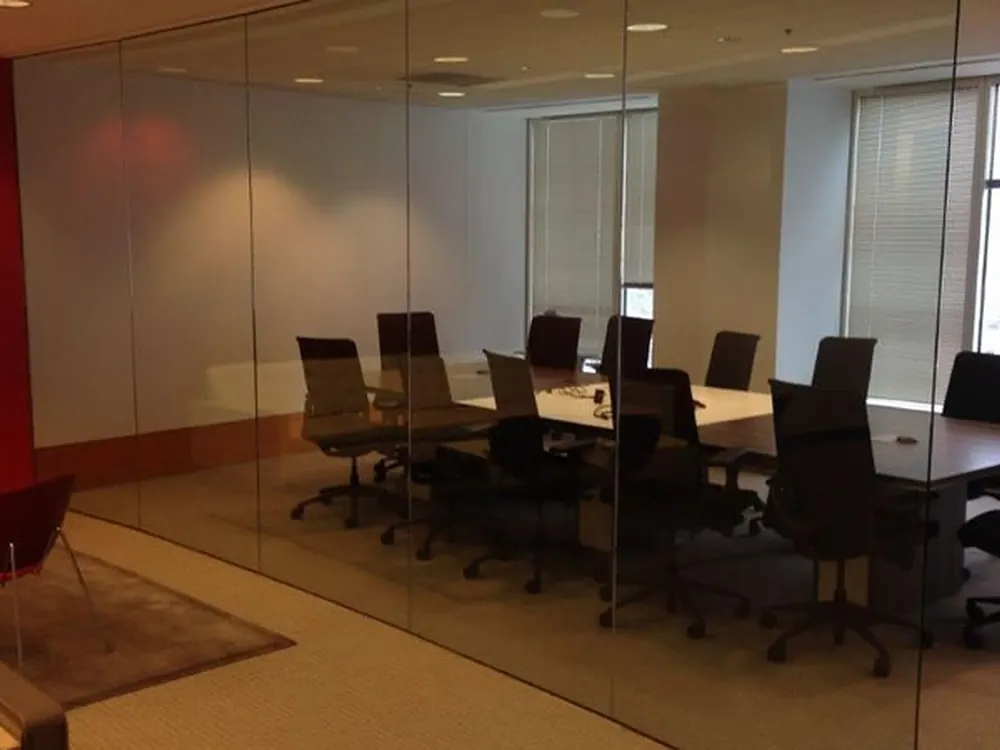
The energy argument gets buildings approved, but the comfort argument is what tenants actually notice. Perimeter offices stop being unusable in the afternoon, blinds stay open, and the thermostat war on the west side quiets down.
For occupied floors we work nights and weekends so nobody loses a working day. If you want an assessment with real numbers on your glazing, get in touch and we'll survey the building at no cost.